Actinic Keratosis is a common skin condition caused by long-term sun exposure. These rough, scaly patches on the skin may seem harmless at first but can potentially turn into squamous cell carcinoma if not treated. While clinical treatments are essential, many individuals are turning to natural and science-backed Buy Best Herbal Supplements Products and Natural Remedies to support skin health and prevent recurrence.
The top 10 supplements—including some powerful options in herbal treatment for Actinic Keratosis—that may help reduce lesions, support DNA repair, and strengthen your skin’s defense against UV damage.
What is Actinic Keratosis?
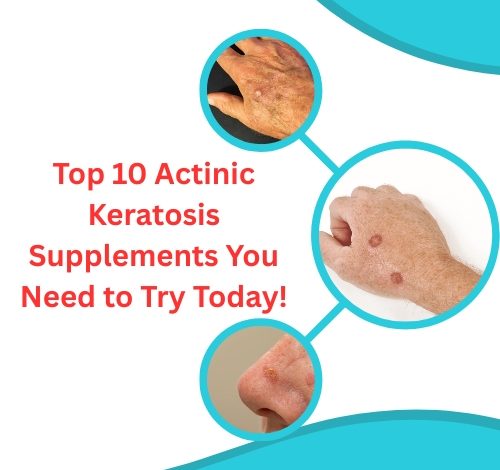
Actinic Keratosis is a precancerous skin condition that appears as rough, scaly patches on areas of the skin that have been exposed to the sun over many years. It is also known as solar keratosis.
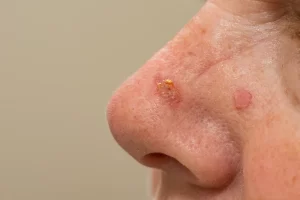
Key Facts About Actinic Keratosis:
- Cause: Long-term exposure to ultraviolet (UV) radiation, usually from the sun or tanning beds
- Appearance: Small, dry, scaly, or crusty patches—often pink, red, or skin-colored
- Common Areas: Face, ears, scalp (especially in bald men), hands, neck, and forearms
- Risk: Can develop into squamous cell carcinoma, a type of skin cancer, if left untreated
- Who’s at Risk:
- People over age 40
- Fair-skinned individuals
- Those with frequent sun exposure
- People with weakened immune systems
Why It Matters:
While Actinic Keratosis is not cancer, it is considered a precancerous lesion, meaning it has the potential to turn into cancer if ignored. That’s why early detection and treatment are crucial.
Common Treatments Include:
- Cryotherapy (freezing the lesion)
- Topical creams (like fluorouracil or imiquimod)
- Photodynamic therapy
- Laser therapy
- Natural support: Some people use Actinic Keratosis supplements and Herbal Supplement for Actinic Keratosis to support skin health and prevent further damage
Related Articles: 11 Natural Treatments for Actinic Keratosis
Supplements for Keratosis Pilaris
Keratosis pilaris is a common skin condition that causes small, rough bumps to appear on the skin, especially on the upper arms, thighs, cheeks, and buttocks. It develops when keratin, a protein that protects the skin, builds up and blocks hair follicles. Although this condition is harmless, it can make the skin feel dry, rough, and uneven. Many people explore supplements for keratosis pilaris to support skin health, improve hydration, and address possible nutritional deficiencies. While supplements cannot guarantee a cure, certain vitamins and nutrients may help maintain healthy skin and support its natural protective barrier.
Vitamin A is an important nutrient for maintaining healthy skin because it supports normal skin cell growth and development. A deficiency in vitamin A may contribute to dry, rough skin, making adequate intake important for overall skin health. However, taking high doses of vitamin A without medical guidance can be harmful. It is generally better to obtain this nutrient through foods such as carrots, sweet potatoes, spinach, and eggs. Vitamin E is another nutrient that supports skin health because it acts as an antioxidant and helps protect cells from oxidative stress. Including vitamin E-rich foods such as almonds, sunflower seeds, and avocados can contribute to a balanced diet and support normal skin function.
Omega-3 fatty acids may also be beneficial for people experiencing dry or irritated skin. These healthy fats help maintain the skin’s natural barrier and support normal inflammatory processes in the body. Although research has not established omega-3 supplements as a specific treatment for keratosis pilaris, they may support general skin health. Fatty fish such as salmon, sardines, and mackerel are excellent sources of omega-3 fatty acids. People who do not regularly consume fish may discuss fish oil or algae-based supplements with a healthcare professional.
Vitamin D is another nutrient associated with skin health and normal immune function. Maintaining adequate vitamin D levels is important for the body’s overall functioning, particularly when a deficiency is present. However, there is currently limited scientific evidence that vitamin D supplementation directly improves keratosis pilaris. Zinc is also essential because it supports skin repair, immune function, and normal cell growth. Foods such as pumpkin seeds, beans, nuts, and whole grains provide zinc. Supplementation may be considered when a deficiency is identified, but excessive zinc intake can cause unwanted side effects and interfere with copper absorption.
When considering supplements for keratosis pilaris, it is important to remember that nutritional support is only one part of an effective skincare routine. Keratosis pilaris is primarily associated with keratin buildup rather than a confirmed vitamin deficiency. Therefore, supplements should not replace proven skincare treatments. Regularly moisturizing the skin with creams containing urea, lactic acid, or ceramides can help soften rough patches and improve skin texture. Gentle exfoliation may also help remove dead skin cells, but harsh scrubbing should be avoided because it can increase irritation. Drinking enough water and eating a balanced diet rich in fruits, vegetables, healthy fats, and protein can further support overall skin health.
Before starting any supplement, consult a healthcare professional to determine whether you have a nutritional deficiency and which nutrients you actually need. Taking unnecessary supplements or combining several products may cause side effects. Ultimately, supplements for keratosis pilaris may help support healthy skin when nutritional gaps exist, but they are not a proven cure. A combination of appropriate skincare, balanced nutrition, and professional guidance is the best approach to managing this common skin condition.
Top 10 Actinic Keratosis Supplements
Actinic Keratosis (AK) is a skin condition caused by long-term sun exposure. It appears as rough, scaly patches and can potentially turn into skin cancer if untreated. While medical treatments are essential, supplements can support your skin’s health and help reduce the recurrence of lesions.
Here are the top 10 science-backed supplements for managing and preventing Actinic Keratosis:
1. Nicotinamide (Vitamin B3)
Why it works:
Nicotinamide has been shown in clinical studies to reduce the number of new Actinic Keratosis lesions by up to 23%. It enhances DNA repair and helps the skin recover from UV damage.
Suggested Dose: 500 mg twice daily
Backed by: The New England Journal of Medicine
2. Curcumin (Turmeric Extract)
Why it works:
A powerful anti-inflammatory and antioxidant, curcumin targets free radicals and may prevent precancerous cell growth.
Suggested Dose: 500–1000 mg daily with black pepper (piperine) for absorption
Category: Herbal Treatment for Actinic Keratosis
3. Green Tea Extract (EGCG)
Why it works:
Green tea polyphenols, especially EGCG, protect against UV-induced skin damage and can be taken orally or applied topically.
Suggested Dose: 300–400 mg daily
Tip: Choose decaffeinated extracts for high EGCG content without side effects
4. Polypodium Leucotomos
Why it works:
This tropical fern extract has been shown to protect the skin from sun damage and reduce inflammation caused by UV radiation.
Suggested Dose: 240–480 mg per day
Usage: Best used as a daily sun defense supplement
5. Milk Thistle (Silymarin)
Why it works:
Rich in antioxidants, silymarin helps fight oxidative stress and may reduce the risk of lesion progression.
Suggested Dose: 200–400 mg of standardized extract
Category: Herbal Treatment for Actinic Keratosis
6. Vitamin D3
Why it works:
Vitamin D plays a role in skin cell growth and repair. Studies suggest that optimal levels may be linked to lower risk of skin lesions.
Suggested Dose: 1000–4000 IU daily (based on your vitamin D level)
Caution: Get tested before supplementing long-term
7. Omega-3 Fatty Acids (Fish Oil)
Why it works:
Omega-3s have anti-inflammatory effects and may support the immune system in fighting abnormal skin cell growth.
Suggested Dose: 1000–3000 mg of EPA/DHA daily
Tip: Choose high-purity, mercury-free fish oil
8. Resveratrol
Why it works:
Found in grapes and red wine, resveratrol has anti-cancer and anti-inflammatory properties that may benefit UV-damaged skin.
Suggested Dose: 100–250 mg daily
Bonus: Also supports cardiovascular health
Related Articles: Actinic Keratosis Natural Treatment
9. Zinc
Why it works:
Zinc is essential for skin healing, immune function, and DNA repair—all vital in managing and preventing Actinic Keratosis.
Suggested Dose: 15–30 mg per day (do not exceed 40 mg unless prescribed)
Form: Zinc picolinate or zinc citrate for better absorption
10. Lycopene
Why it works:
A carotenoid found in tomatoes, lycopene helps neutralize UV damage and may protect against sun-induced skin changes.
Suggested Dose: 10–30 mg daily
Best Source: Tomato extract or cooked tomatoes with healthy fat for absorption
Frequently Asked Questions About Actinic Keratosis Supplements
1. What are the best supplements for actinic keratosis?
Some supplements that have been studied for skin health include nicotinamide (vitamin B3), curcumin, green tea extract, Polypodium leucotomos, milk thistle, vitamin D3, omega-3 fatty acids, resveratrol, zinc, and lycopene. However, the strength of scientific evidence varies, and none should be considered a proven cure for actinic keratosis.
2. Can supplements help treat actinic keratosis naturally?
Certain supplements may support general skin health and provide antioxidant or nutritional benefits. Nicotinamide has also been studied for reducing the development of new actinic keratosis lesions in some people. However, supplements cannot reliably remove existing lesions or replace medical treatment.
3. Does vitamin B3 (nicotinamide) help with actinic keratosis?
Nicotinamide, a form of vitamin B3, has been studied for its potential to reduce the development of new actinic keratosis lesions. Some clinical research suggests benefits in high-risk individuals while taking it. Consult a healthcare professional before starting supplementation.
4. Can vitamin D help improve skin health in people with actinic keratosis?
Vitamin D plays an important role in normal skin function and overall health. Supplementation may be beneficial for people with a deficiency, but there is insufficient evidence to establish vitamin D as a treatment for actinic keratosis. A healthcare professional can recommend testing and appropriate supplementation.
5. Are herbal supplements safe for actinic keratosis?
Herbal supplements are not automatically safe simply because they are natural. Ingredients such as curcumin, green tea extract, and milk thistle may cause side effects or interact with certain medications. Always discuss supplements with your healthcare provider before using them.
6. Can actinic keratosis turn into skin cancer?
Yes. Actinic keratosis is considered a precancerous skin condition that can develop into squamous cell carcinoma. Not every lesion becomes cancerous, but early evaluation and appropriate treatment are important.
7. What is the best medical treatment for actinic keratosis?
Treatment depends on the number, location, and severity of lesions. Common options include cryotherapy, topical medications such as 5-fluorouracil and imiquimod, and photodynamic therapy. A dermatologist can determine the most appropriate treatment.
8. Can sunscreen help prevent actinic keratosis?
Yes. Regular sun protection can help reduce further UV damage and the development of new lesions. Use a broad-spectrum sunscreen with SPF 30 or higher, wear protective clothing, seek shade, and avoid tanning beds.
9. How long does it take for supplements to show results?
There is no established timeframe for supplements to improve actinic keratosis because they are not proven treatments for existing lesions. Results, if any, may vary depending on the ingredient, individual health, and other factors.
10. Should I consult a dermatologist before taking supplements for actinic keratosis?
Yes. A dermatologist or qualified healthcare professional can confirm the diagnosis, recommend appropriate treatment, and assess whether supplements are suitable for your individual health needs. Do not delay medical evaluation or discontinue prescribed treatment in favor of supplements.
Final Thoughts
While these Actinic Keratosis supplements offer promising support, they should be viewed as complementary—not replacements—for medical treatment. When combined with sun protection, a healthy diet, and regular skin checks, these supplements (especially those from the Herbal Treatment for Actinic Keratosis category) can help you take control of your skin health naturally and effectively.
Always consult a dermatologist or healthcare provider before beginning any supplement regimen—especially if you are taking medications or have preexisting conditions.
Medical Disclaimer
The information provided in this article, “Top 10 Actinic Keratosis Supplements You Need to Try Today!”, is intended for educational and informational purposes only. It is not intended to replace professional medical advice, diagnosis, or treatment.
The supplements, vitamins, minerals, and herbal ingredients discussed in this article are presented for general informational purposes. Although some ingredients have been studied for their potential skin health benefits, scientific evidence varies, and supplements are not proven cures or substitutes for established medical treatments for actinic keratosis.
Actinic keratosis is a precancerous skin condition that may progress to squamous cell carcinoma. Anyone experiencing suspicious, persistent, changing, painful, or bleeding skin lesions should seek evaluation from a qualified dermatologist.
Always consult a licensed healthcare professional before starting, stopping, or changing any supplement or medication. Certain supplements may cause side effects, interact with prescription medications, or be unsuitable for people with specific medical conditions.
Never delay or avoid recommended dermatological treatment because of information presented in this article. Treatments such as cryotherapy, prescription topical medications, and photodynamic therapy should be discussed with a qualified healthcare provider.
Natural Herbs Clinic does not guarantee specific health outcomes from the use of any supplement or natural remedy mentioned in this article. Individual results may vary.
By reading this content, you acknowledge that you are responsible for consulting an appropriate healthcare professional regarding your personal health and treatment decisions.